Buy your weekday smoothies and get your weekend ones for free. (7 for the price of 5!)
WELLNESSWEEK


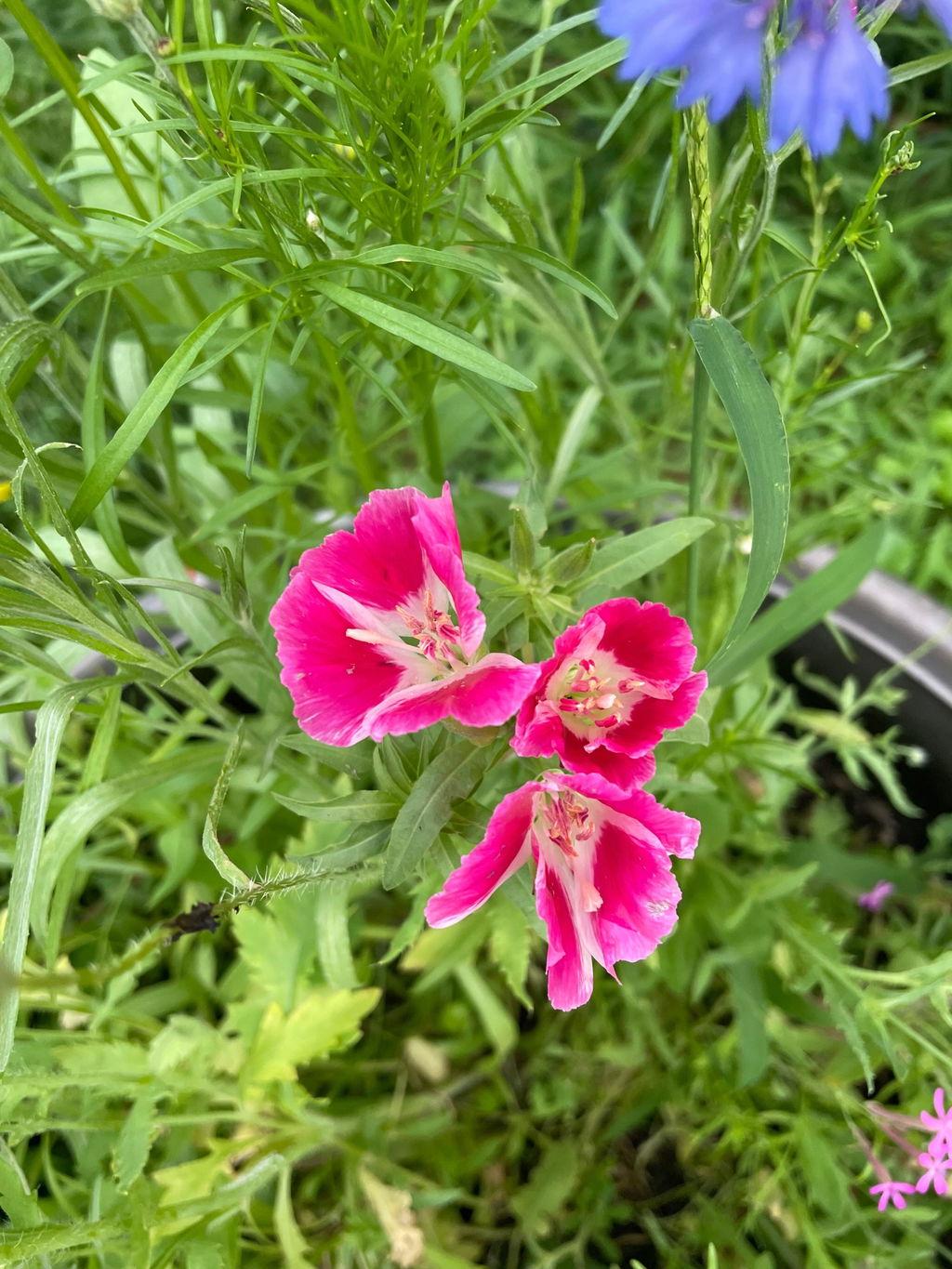
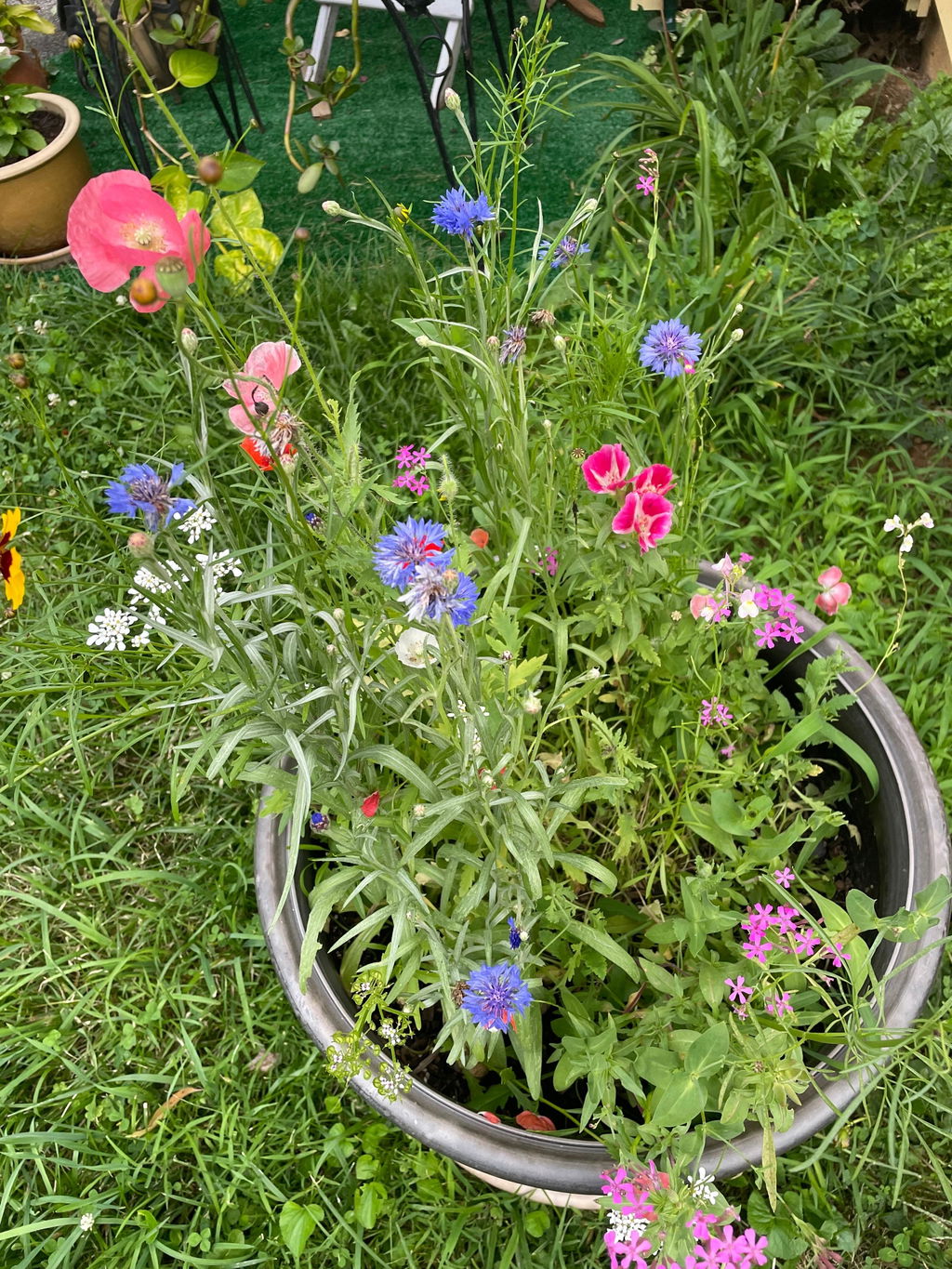
A packet of flower seeds doesn’t take up much room. Neither does a small garden bed or a planter by the front door. But once those flowers begin to bloom, you may notice how much activity they attract.
A bee works its way around a flower. A butterfly stops for a drink. A tiny visitor you’ve never noticed before lands on a blossom.
For us, flowers bring color and beauty. For many of these visitors, they provide food. And with a little planning, your garden can keep something on the menu beyond the busiest weeks of summer.
Flowers can offer two important foods: nectar and pollen.
Nectar is a sugary liquid that provides energy. Bees, butterflies, hummingbirds, and other flower visitors drink it to fuel their activities.
Pollen provides protein and other nutrients. Many bees collect it to feed their developing young. If you’ve seen a bee carrying little yellow or orange bundles on its back legs, you’ve probably spotted a pollen delivery in progress.
As visitors move between flowers, they can also transfer pollen, helping plants produce seeds. That next generation of seeds begins with these small exchanges.
It’s easy to fall in love with a garden full of flowers at the height of summer. But pollinators need food before and after that colorful peak, too.
Different species are active at different times of year. Some emerge early in spring, while others appear later. Bumble bee colonies also need resources as they develop through the season.
If everything in a garden blooms at once, there may be weeks when little food is available. Choosing plants with overlapping flowering periods helps fill those gaps.
Think of it as keeping the kitchen open.
You don’t need a complicated planting plan. Start by looking at three parts of the growing season.
In spring, early flowers can provide food for insects becoming active after winter, including emerging bumble bee queens. Flowering trees and shrubs count, too.
In summer, a variety of flowers can offer food to many different visitors. This is a good time to notice which plants attract activity in your own garden.
In late summer and fall, later blooms can help provide resources for pollinators preparing for winter or migration.
The exact plants and flowering months will depend on where you live. Local native-plant lists and Extension gardening resources can help you choose flowers suited to your climate.
Flower visitors come in different sizes and shapes, and so do the flowers they can use.
A small insect may find food in a shallow, open blossom. A visitor with a longer tongue may reach nectar deeper inside a tubular flower. A mix of flower shapes can make your garden useful to a wider range of visitors.
Include plants native to your region where possible. Some native bees have close relationships with particular plants, so choosing locally appropriate flowers can offer benefits that a general garden mix may not provide.
It’s also worth looking beyond the biggest, showiest blooms. Some heavily doubled flowers have extra petals that make nectar and pollen harder to reach, or offer less of those resources.
You don’t need to turn your whole yard into a meadow.
A small flower bed, a border beside a walkway, or a collection of containers can provide feeding opportunities. Grouping several plants of the same kind together can help visitors find and use them.
For a small space, look for suitable plants with long flowering periods, then add something that blooms earlier or later. Check their sunlight, water, and space requirements so they have a good chance of thriving.
A seed packet is a beginning. Pairing it with a few thoughtful plant choices can help extend the season.
One of the simplest ways to improve a flower garden is to pay attention to it.
Every few weeks, ask yourself:
What is blooming right now?
Which flowers are getting visitors?
Is there a stretch when almost nothing flowers?
You don’t have to fill every gap immediately. Make a note and choose one addition for the next planting season.
You may also notice visitors you hadn’t expected. Bees get much of our attention, but flies, beetles, moths, and other insects visit flowers, too. There’s plenty to discover when you stop beside a patch of blooms for a few minutes.
Flowers are one part of a welcoming habitat. Pollinators also need places to nest, shelter, and raise their young. Avoiding insecticide sprays on flowers and providing appropriate habitat alongside food plants can make your efforts more useful.
But you can begin simply, with a suitable spot and something to grow.
I love that seeds offer such a small, tangible starting point. You plant them hoping for flowers, and those flowers may become a regular stop for visitors you would otherwise never have noticed.
Ready to start your own little patch? Explore our seed packets, choose flowers suited to your growing space, and enjoy seeing who comes to visit.
Get 10% Off Your First Order.